


Press Information
MHI Group Conducts Volunteering Activity to Collect Microplastic at the Fujimae Tidal Flat in Nagoya
-- Contributing to Conservation and Restoration of Biodiversity in the Ramsar-Registered Wetland --
-- Contributing to Conservation and Restoration of Biodiversity in the Ramsar-Registered Wetland --

SHARE


・ Accidental ingestion of microplastics by organisms can have serious impacts on ecosystems throughout the food chain
・ Part of MHI Group's social contribution activities in important areas for biodiversity near its major production sites
Tokyo October 14, 2026 - Mitsubishi Heavy Industries Group conducted a corporate volunteering activity on October 10 at the Fujimae Tidal Flat, a protected wetland in the innermost part of Nagoya Port, collecting microplastic (plastic fragments with a diameter of 5mm or less). The Tobishima Plant of MHI's Nagoya Aerospace Systems Works is located near the Fujimae Tidal Flat, and this activity was part of MHI Group's efforts for biodiversity(Note1) conservation and restoration. The event was organized by Japan NPO Center and the Fujimae Ramsar Society, and sponsored by MHI Group in cooperation with the Environmental Partnership Office (EPO) Chubu of the Ministry of the Environment (with the Center for Environmental Creative Studies as the managing organization).
About 30 MHI Group employees and family members participated in the waste collection on the day. Participants first attended an online lecture by Professor Satoshi Chiba of Yokkaichi University on microplastic pollution in Fujimae Tidal Flat, followed by a lecture on the biodiversity of the tidal flat by Fujimae Ramsar Society. After observing the tidal flat creatures when the tide ebbed around noon, the participants began collecting waste, focusing mainly on microplastics. The microplastics they collected were classified by type to analyze trends.
The results of the microplastic collection will be reported to the Fujimae Tidal Flat Council. By encouraging the citizens of Nagoya and other regional stakeholders to proactively consider the situation and implement countermeasures, the organizers hope to contribute to the conservation and restoration of biodiversity over the medium term.
MHI Group's business activities rely on the varied resources provided by nature, such as water and minerals, but there is also the possibility of impact on the natural environment. Recognizing this, in April 2023, MHI Group formulated its Declaration on Biodiversity aiming to realize the vision of a world that lives in harmony with nature by 2050 through measures such as reducing the negative impacts of its business activities on the natural environment.
In the same year, MHI Group surveyed production sites located near biodiversity-important areas(Note2), with a total of 12 sites in Japan and overseas confirmed to be near 19 important areas, including Fujimae Tidal Flat. MHI Group established a policy to conduct social contribution activities in these important areas, aimed primarily at biodiversity conservation. The corporate volunteering activity at Fujimae Tidal Flat is based on this policy.
The Fujimae Tidal Flat lies at the mouths of the Shonai, Shinkawa, and Nikko rivers, which flow into Nagoya Port, covering an area of about 300 hectares.(Note3) It is a crucial feeding and resting ground for migratory birds, and a valuable wetland supporting a diverse community of intertidal benthic organisms.
The city had once proposed turning the tidal flat into a waste landfill, but due to strong opposition from citizens, the plan was abandoned in 1999. The area was designated a wildlife protection area by the Ministry of the Environment in 2002, and registered as a Ramsar site under the Ramsar Convention on Wetlands, which aims to conserve internationally important wetlands.
In recent years, plastic bottles and plastic bags have been broken down into tiny pieces by ultraviolet rays and waves, forming microplastics that accumulate in Fujimae Tidal Flat. Accidental ingestion of microplastics by organisms can have serious impacts on ecosystems throughout the food chain.
Going forward, MHI Group will continue to promote initiatives for the conservation and restoration of biodiversity and the natural environment in regions where it operates, both domestically and internationally, contributing to the realization of a sustainable society.
- 1Biodiversity is the richly varied distinctiveness and connections of living beings. It includes ecosystem diversity, species diversity, and genetic diversity.
- 2Special biodiversity protected areas selected based on international standards, such as UNESCO World Natural Heritage sites and wetlands registered under the Ramsar Convention.
- 3The area spans Minato Ward in Nagoya, and Tobishima in Aichi Prefecture.
Related links:
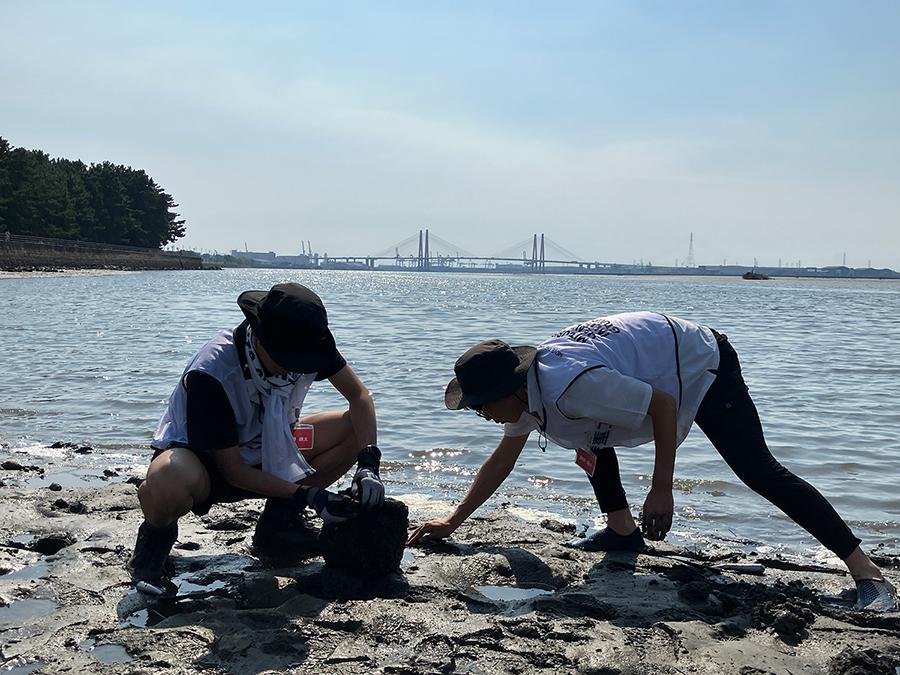
Observing Wildlife on the Tidal Flat
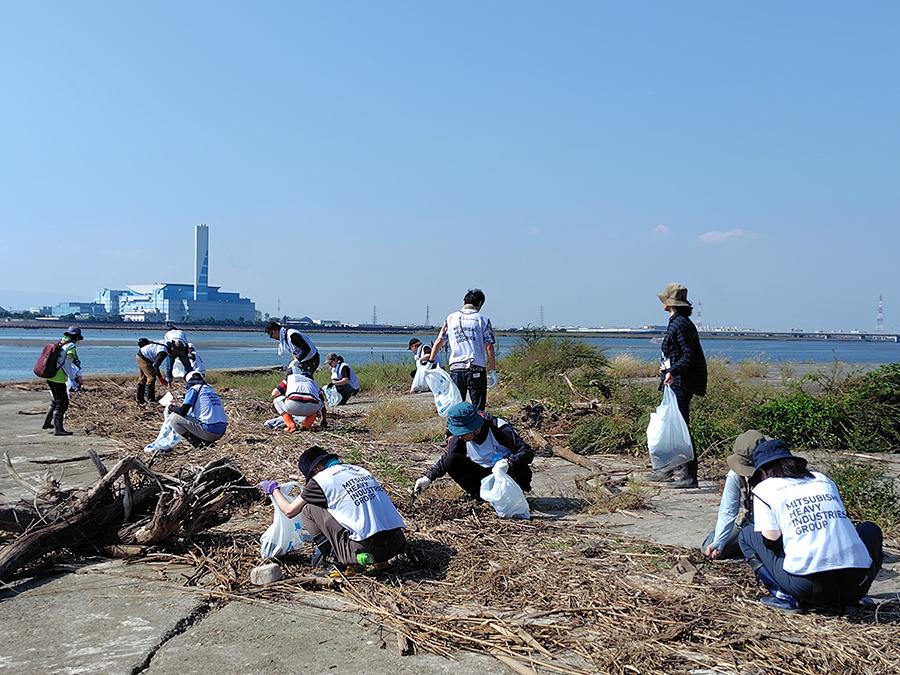
Participants Collecting Microplastics
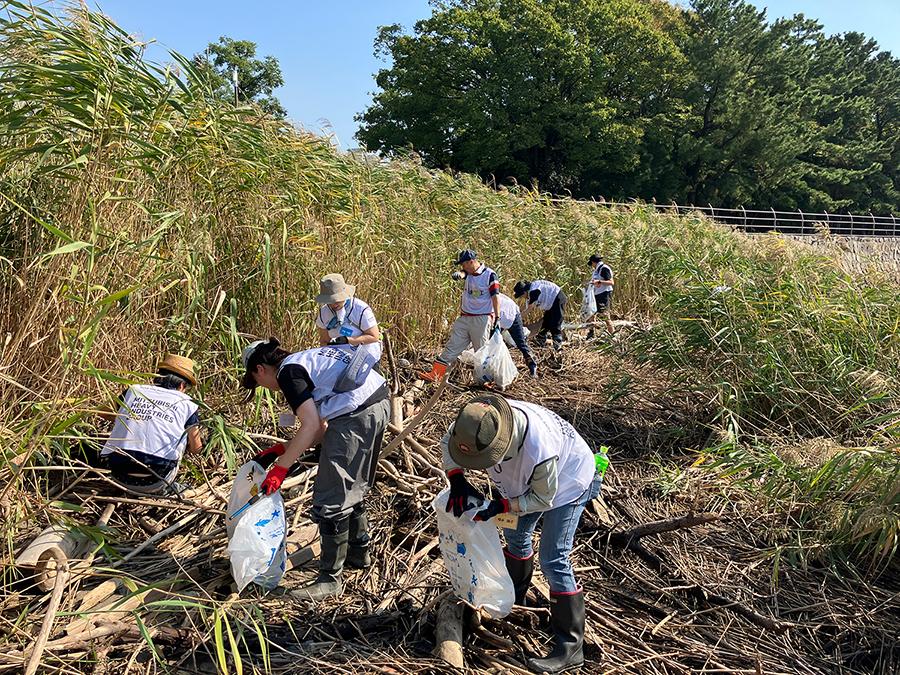
Collecting Washed-Up Household Waste
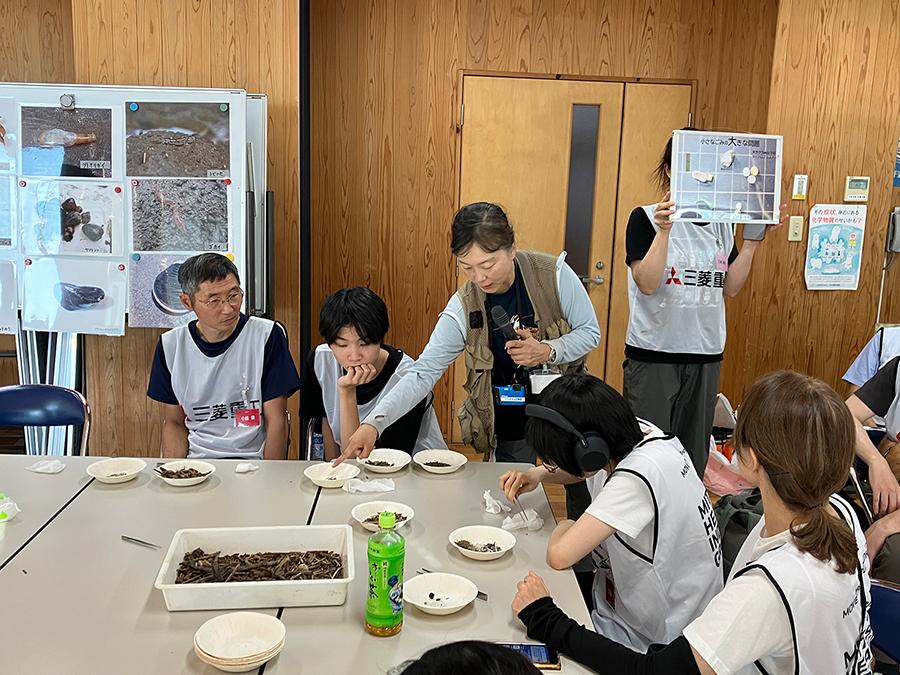
Microplastics Sorting Workshop
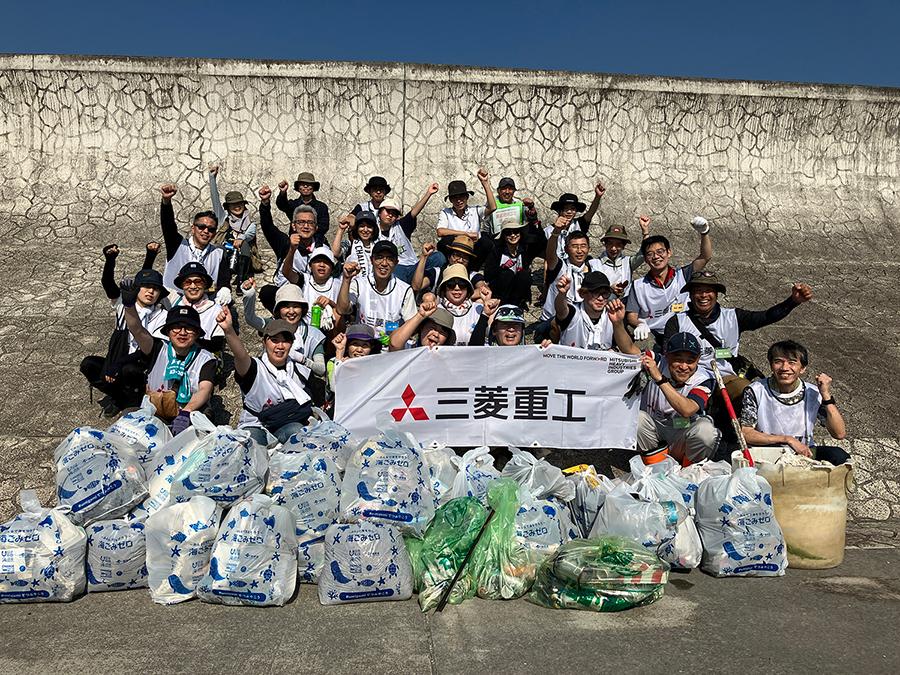
Look How Much We Collected!

About MHI Group
Mitsubishi Heavy Industries (MHI) Group is one of the world’s leading industrial groups, spanning energy, smart infrastructure, industrial machinery, aerospace and defense. MHI Group combines cutting-edge technology with deep experience to deliver innovative, integrated solutions that help to realize a carbon neutral world, improve the quality of life and ensure a safer world. For more information, please visit www.mhi.com or follow our insights and stories on spectra.mhi.com.