OUR VISION, YOUR ACTION
Here, we showcase initiatives that our employees are undertaking to move the world forward under the 2024 Medium-term Business Plan (2024 MTBP). Learn about your colleagues’ efforts and apply them to your own actions.
Featured department
Technology Innovation Group,
Engineering & Design Division,
Mitsubishi Heavy Industries
Compressor Corporation,
Energy Systems
Theme
Developing an innovative new compressor for the CCUS market
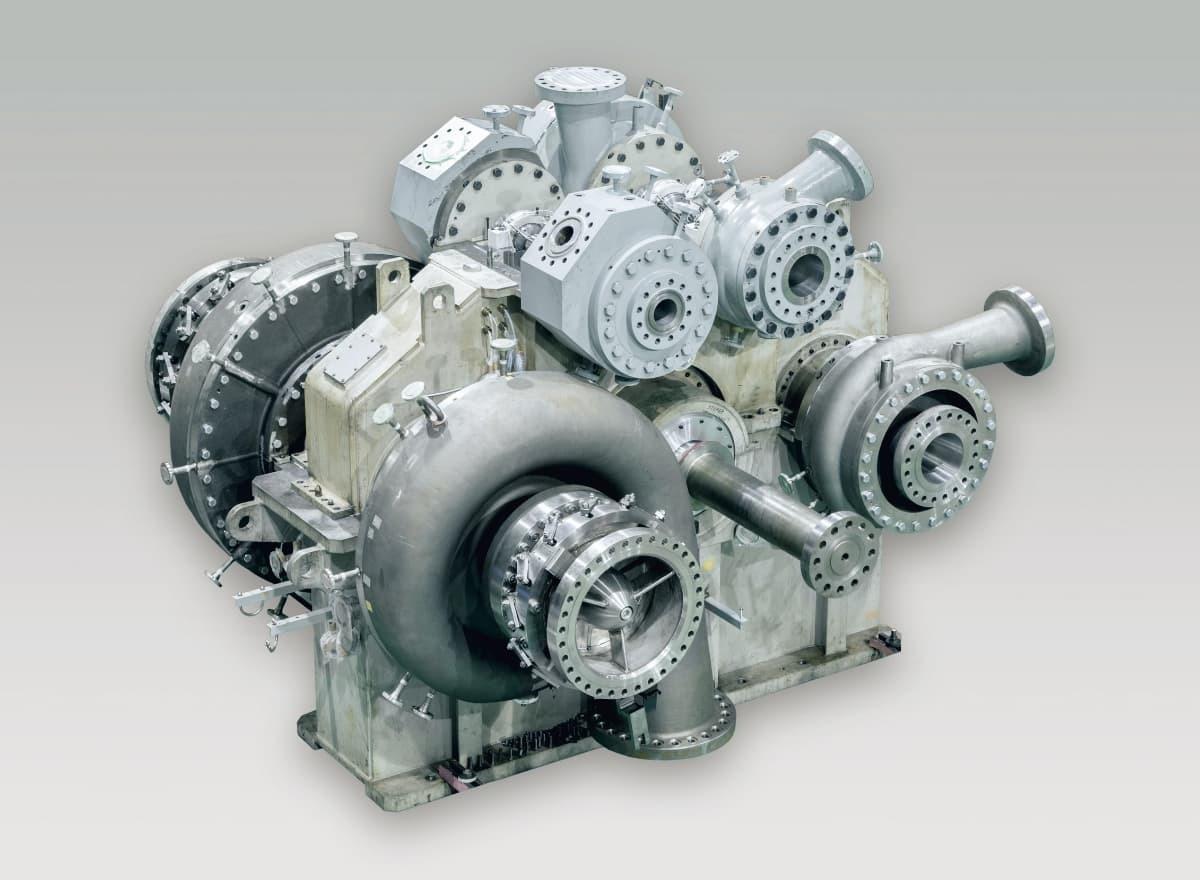
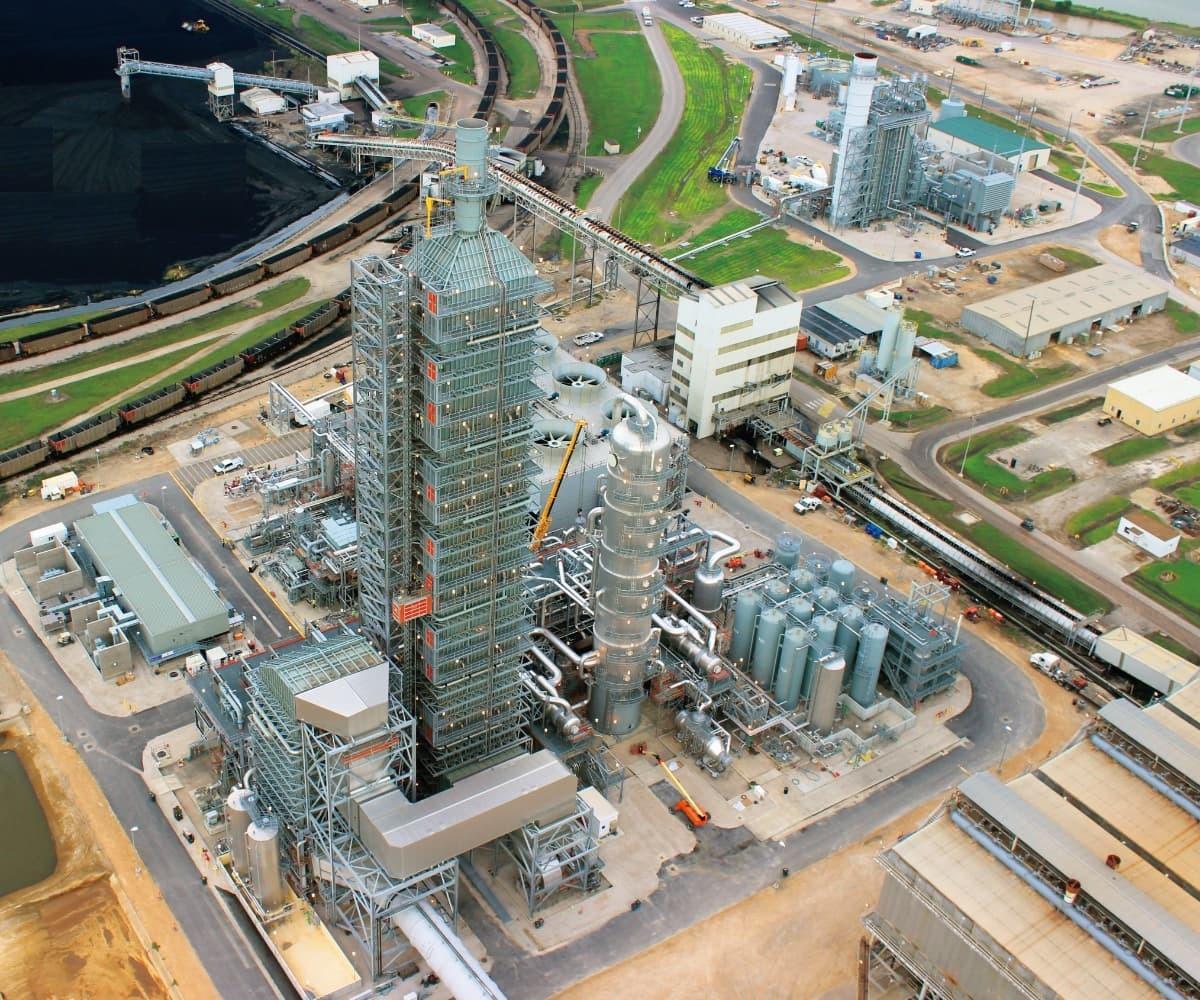
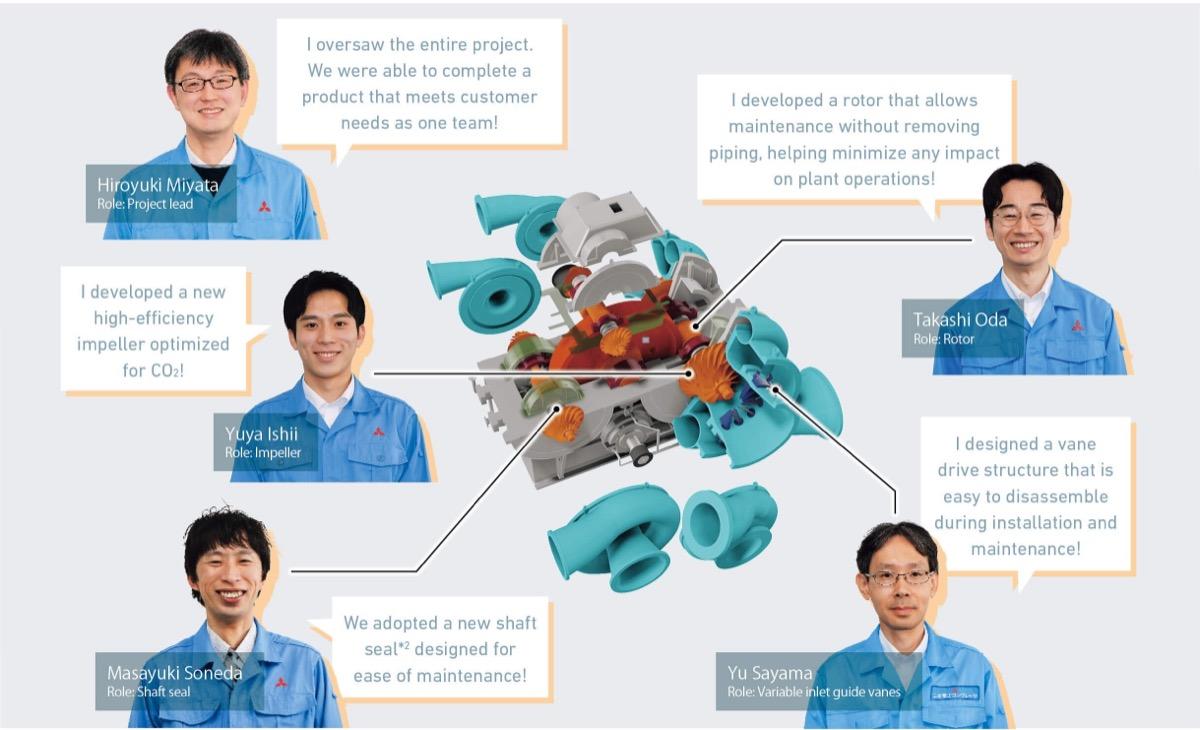
A compressor is a machine that compresses gas. It is used in various stages of production and transportation, such as transporting gas through pipelines or liquefying it for storage. In recent years, in addition to its conventional applications, there has been growing demand for compressors designed specifically for use in CCUS*1. In CCUS, compressors are used to compress captured CO₂ and inject it into pipelines for transport to storage sites, or to compress and liquefy it for storage in tanks. The CCUS market is an emerging field, and customer needs are constantly changing and becoming more diverse. We have developed a compressor that delivers the performance and ease of use required to meet these expectations.
- 1Carbon Capture, Utilization and Storage
- 2A sealing device used in rotating machinery to prevent leakage of internal liquids and gases through the gap between the rotating shaft and the casing and block the entry of foreign matter. It is a critical component for controlling shaft leakage and must ensure reliable sealing.
VISION
Creating customer value while also contributing to carbon neutrality
With conventional single-shaft multistage compressors, it was not possible to adjust the rotational speed to match each impeller. However, the MAC-G uses multiple gears to optimize rotational speed for each impeller, making it possible to reduce power consumption. By rethinking the overall design concept, we have achieved high efficiency at lower running costs. We hope that our MAC-G will be used in the CCUS plants of customers working to solve global challenges.
ACTION
Developed with the entire value chain in mind, from manufacturing to maintenance
Development of a compressor for CCUS applications began with conceptual design two and a half years ago. Evaluation testing was completed in September 2025, and development was finalized in December. Demand from three to four projects in Europe and the United States has already begun to emerge, and the product is expected to be launched as early as FY2027. It has the potential to be the decisive technology for achieving a carbon-neutral society.
Capturing and handling CO₂ that was previously released into the atmosphere inevitably creates new costs, which is why customers are looking for machines that can compress CO₂ as efficiently as possible at the lowest possible cost. In response, we leveraged the strengths of integrally geared compressors, which allow rotational speed to be optimized for each stage, and developed a product that can compete on both price and efficiency in an increasingly competitive market.
The most challenging part was dealing with the new issues that emerged due to changing the design concept to achieve lower costs and higher speed. During development, it was necessary to evaluate the gear meshing sections at a higher operating speed. To do so, we had to move beyond theoretical assumptions and conduct actual testing to determine whether the gear surfaces would reach high temperatures or whether accuracy would be affected. Special measurements were needed to collect data from rotating components, involving extensive work from test planning to data processing and validation. By consulting with experts, we built a system to directly measure temperatures and confirm the results, which led to the establishment of new design standards.
We also addressed challenges that had existed from the outset. As we continued improving the integrally geared compressor, we realized that our previous design approach was not sufficiently aligned with the customer’s perspective and was also difficult for manufacturing. As we prepared for CCUS as a new application, we agreed to focus not only on performance but also on long-term usability, and reviewed the entire design from the standpoint of whether the product could be used reliably in the field over many years.
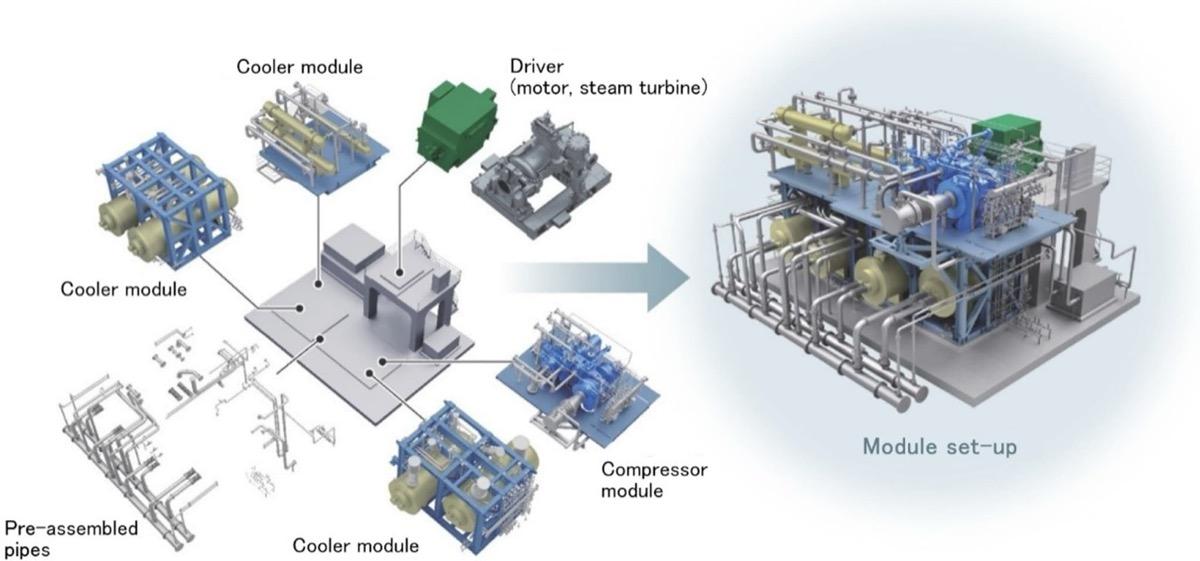
Since compressors are expected to operate continuously as the heart of a plant, ease of maintenance was another key theme. We incorporated features to minimize downtime, such as enabling key internal components to be inspected without removing large piping. We also incorporated feedback from staff at MCO’s production centers and from those involved in on-site installation, revising the design to make it more user-friendly.
We were able to complete development in the relatively short period of around three years by clearly defining roles for each component and involving both the Manufacturing Department and the Shared Technology Department from the early stages. Everyone took responsibility for their respective areas and remained committed to making it work as a single, complete product. We believe this project stands as a strong example of how everyone involved came together as one team to successfully deliver a product.